





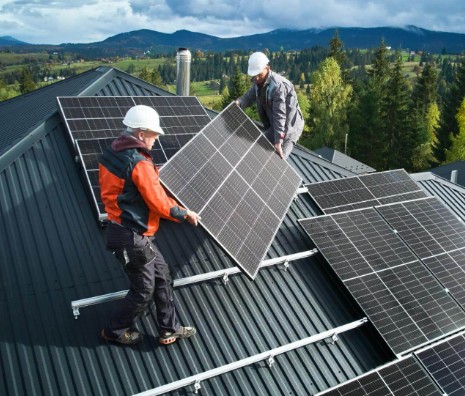
Growth in the solar industry has expanded the range of panels, inverters, batteries, and balance-of-system equipment available to professional installers. Each manufacturer may have different installation procedures, configuration requirements, monitoring platforms, and compatibility standards. Many solar contractors specialize in a select group of brands to improve installation efficiency, simplify training, and deliver more consistent system performance. Explore the key factors that can help your solar installation company choose dependable equipment brands for residential, commercial, and solar-plus-storage projects.
Look Beyond Brand Name
A well-known brand isn’t necessarily the best fit for every solar installer. Instead of choosing based on name recognition, evaluate manufacturers based on the factors that most affect your business and customers. Product quality, reliability, warranty terms, technical support, availability, pricing, and compatibility with other equipment should all matter. Consider whether the manufacturer’s products will work efficiently with the systems you plan to install, including commercial versus residential, as well as grid-tied, hybrid, or off-grid.
It can also be helpful to get feedback from other installers. They can share their experiences with things like the installation process, troubleshooting, warranty claims, and manufacturer support, none of which will be obvious based on product specifications.
Consider your Target Customers
Your ideal customers can also influence which brand is best for your specialty. A company that primarily works with residential solar users might have slightly different priorities than someone who’s focused on commercial projects. Think about the system sizes, budgets, locations, and performance expectations that you deal with most frequently. Then identify brands with product lines that consistently meet your needs. Choosing equipment that fits your typical projects can simplify system design and make sales more straightforward.
Evaluate the Business Relationship
Your relationship with a solar equipment manufacturer and its distribution network can directly affect project efficiency and long-term support. Evaluate access to technical documentation, installer training, replacement equipment, warranty assistance, and responsive product support. Consider pricing and availability alongside the total cost of using the brand across multiple installations. Standardizing familiar solar equipment can reduce training requirements, streamline installation, simplify troubleshooting, and support a more consistent experience across residential and commercial projects.
Stay Flexible with Options
Choosing a preferred brand doesn’t mean you have to commit to using it for every project. Certain circumstances and customer preferences may require you to use a different manufacturer for some projects. The goal is to establish a reliable go-to, not set an inflexible rule. By specializing in a brand while still being willing to consider alternatives, you can build valuable expertise without limiting your business. When you work with wholesale solar distributors that carry multiple brands, you can shift gears quickly to find the best products for the job while still keeping bulk pricing on the preferred brands you use on most projects.


