
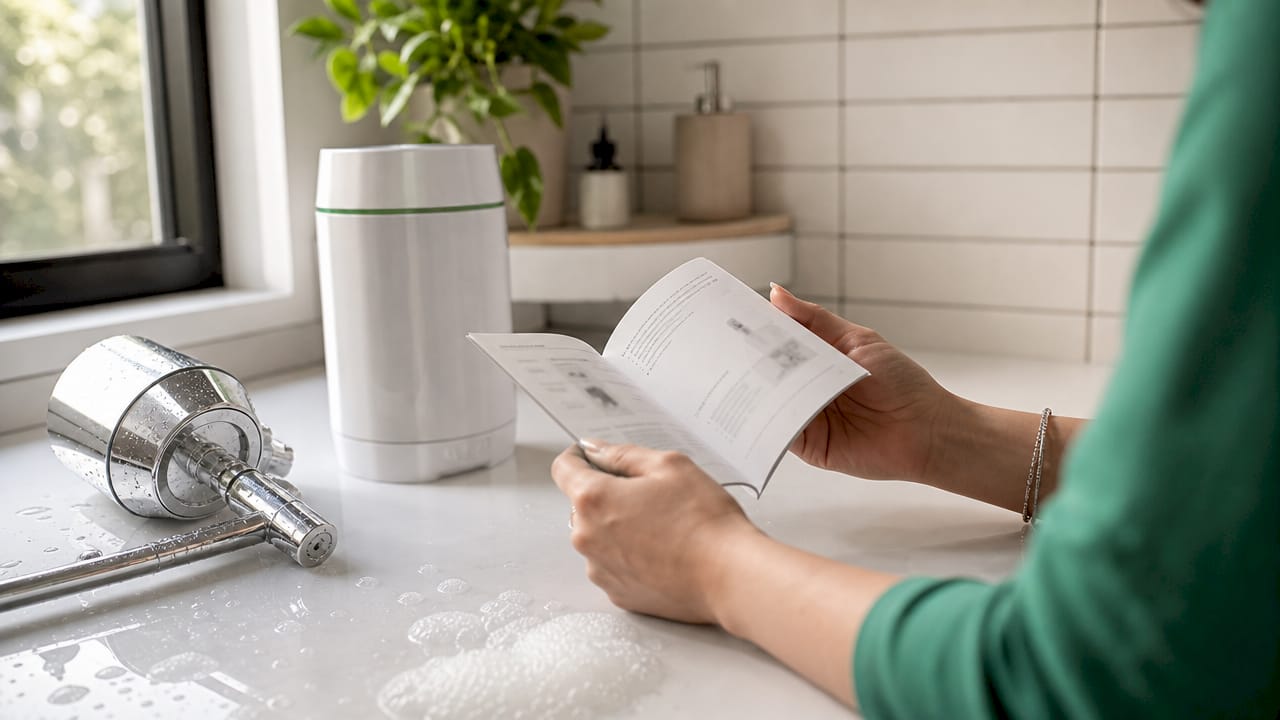
Scottsdale homeowners often notice water concerns first in ordinary places: cloudy glassware, white buildup around faucets, stiff laundry, or showerheads that gradually lose spray performance. These issues can be frustrating, but they do not all have the same cause or the same solution.
Before scheduling water softener installation in Scottsdale AZ, it helps to define the problem clearly. A well-planned system can protect fixtures and appliances from mineral buildup, while an unnecessary or poorly sized system can add avoidable cost, salt use, and maintenance.
Start With the Problem You Want to Solve
The phrase “bad water” can describe very different experiences. Hard water may leave scale and make soap harder to rinse away. A chlorine-like taste or odor may point instead toward a filtration goal. Visible particles, staining, or sulfur-like odors may require testing and treatment tailored to those specific conditions.
- White or chalky deposits on fixtures and shower doors
- Soap residue on tubs, sinks, and skin
- Spots on dishes and glassware
- Reduced flow from a scale-clogged showerhead
- Unusual taste, odor, staining, or visible sediment
For a useful starting point, homeowners can review the city’s drinking water information alongside observations from their own faucets. A utility report provides helpful context, but a home-level test may be more useful when selecting treatment equipment.
What Hard Water Does Inside a Home
Hard water contains dissolved minerals, mainly calcium and magnesium. As water evaporates or is heated, those minerals can remain behind as scale. Over time, scale may collect on faucet aerators, showerheads, water-using appliances, and plumbing components. It can also combine with soap to create residue that makes everyday cleaning feel more difficult.
Clear water is not necessarily soft water. A Scottsdale home may have water that looks normal in a glass yet still develops crusty deposits around the kitchen faucet or requires frequent cleaning of bathroom surfaces.
Water Softener vs. Water Filter
A softener and a filter are not interchangeable. The right choice depends on what testing and household experience reveal.
| System Type | Primary Purpose | Common Placement |
| Water softener | Reduces hardness minerals | Whole-home water line |
| Carbon filter | Addresses certain tastes and odors | Whole-home or point of use |
| Sediment filter | Captures grit and particles | Before other equipment |
| Reverse osmosis system | Treats water at one drinking tap | Under a kitchen sink |
A softener is designed to address hardness. A filter may be useful for taste, odor, sediment, or another identified concern. Some homes benefit from more than one system, but every component should have a specific purpose.
Test Before Choosing Equipment
Testing helps replace guesswork with a practical plan. It can confirm hardness and identify conditions that may affect equipment selection, such as iron or sediment. It also prevents homeowners from relying solely on a general neighborhood estimate.
- Identify whether the home uses municipal water or a private well.
- List the symptoms seen at fixtures, appliances, and drinking taps.
- Review available water-quality information.
- Test the water at the home when a detailed recommendation is needed.
- Match the treatment system to measured conditions.
Choose the Right Softener Size
Softener sizing should account for measured hardness, household water use, number of occupants, peak demand, and any water conditions that affect performance. Bigger is not always better. An oversized system may cost more upfront, while an undersized one may regenerate too often or struggle during busy periods.
Ask for the sizing logic in writing. A clear recommendation should explain the proposed capacity, expected regeneration approach, and why the selected model fits the household rather than simply presenting a large grain number.
Look for Efficient Operation
Conventional ion-exchange softeners regenerate by flushing out the hardness minerals collected and recharging the treatment media with salt. That process uses both water and salt, so efficiency matters in a desert community where thoughtful water use is important. The EPA explains that cation-exchange water softeners can vary substantially in their water and salt use during regeneration.
When comparing systems, consider demand-initiated regeneration, salt and water use per cycle, warranty coverage, service access, and replacement part availability. Demand-based controls regenerate based on actual water use rather than a fixed calendar schedule.
Plan the Installation Location
The installation area needs more than an open corner of the garage. A whole-home softener typically requires access to the main water line, a suitable drain connection, adequate service clearance, and power if the control valve requires it. The bypass valve, control head, and salt tank should remain accessible for maintenance.
Discuss which lines should receive softened water. Outdoor irrigation is often considered separately, and a drinking-water system may require a dedicated connection depending on the overall design.
Compare Quotes and Plan Maintenance
Compare complete scopes of work, not just bottom-line prices. A useful quote identifies the equipment model, plumbing modifications, drainage plan, startup settings, warranty details, and expected homeowner responsibilities. It should also clarify whether permits, inspections, electrical adjustments, or removal of existing equipment are included.
After installation, create a simple maintenance routine. Check salt levels regularly, watch for hardened salt or salt bridges, keep the equipment area clear, and inspect for leaks after plumbing work. If scale returns or water use changes significantly, review the settings before assuming the equipment has failed.
Questions to Ask Before Installation
- What exact problem is this system intended to solve?
- Which test results support the recommendation?
- How was the system sized for this household?
- How often should it regenerate under normal use?
- What salt, service, and replacement costs should be expected?
- Which fixtures will receive treated water?
- How can the system be bypassed for service or repairs?
Conclusion
The best water-treatment plan for a Scottsdale home begins with the actual issue, not a one-size-fits-all product. Test first, choose equipment that matches the results, confirm that the system is sized and installed correctly, and plan for ongoing care. The goal is not the largest system available. It is dependable water treatment that fits the home, the household, and the local need for efficient water use.