
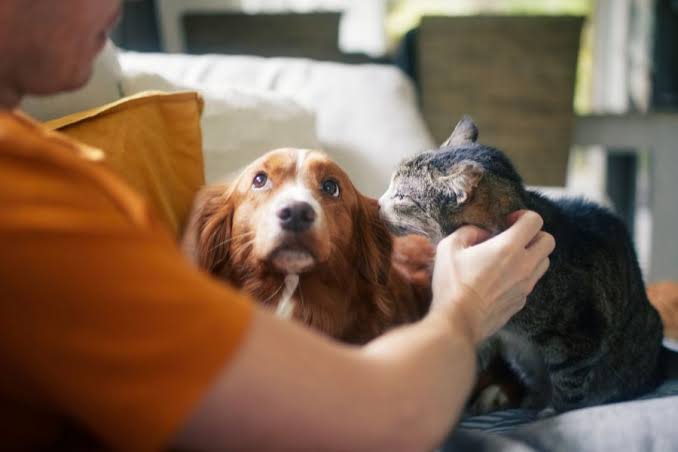
You may have walked into an animal hospital focused on one thing, stopping the limp, easing the vomiting, getting answers for a skin flare, and then found yourself close to tears over something bigger. Your pet is not sleeping, you are not sleeping, the house feels tense, and every small problem starts to feel loaded. That is the part many people do not expect. Medical care for animals often crosses into fear, grief, stress, and behavior changes, because pets do not experience health in separate boxes and neither do the people who love them. A Queen St West Toronto veterinarian may see those emotional layers every day.
The connection between animal hospitals and behavioral health is simple at its core. Pain changes behavior. Illness changes routines. Stress affects recovery. Family stress affects pets, and pet distress affects families right back. Good care does not stop at tests and treatment plans. It also looks at anxiety, coping, quality of life, and the emotional strain that comes with caregiving.
Animal hospitals often see behavior changes before families understand the cause
A dog that starts growling during handling may not have become aggressive out of nowhere. A cat that suddenly urinates outside the litter box may be dealing with pain, fear, or a change in the home. A pet recovering from surgery may seem restless, clingy, withdrawn, or reactive. These shifts can look like training problems when they are really signs of discomfort or distress.
This is where an animal hospital matters. Veterinary teams can rule out medical causes, spot pain that is easy to miss, and identify patterns that connect physical symptoms with emotional strain. That makes a major difference, because behavior treatment built on the wrong assumption rarely works. If a pet is hurting, no amount of correction fixes that.
The human side is just as real. You might be juggling medication schedules, mobility issues, sleep disruption, and the guilt that comes from wondering whether you missed something. If the pet has a chronic illness or a poor prognosis, the stress can settle over the whole household. People often feel ashamed admitting that caregiving has become exhausting, even when they love their animal deeply.
Behavioral health support strengthens veterinary care
Veterinary behavioral health is not only about severe anxiety or aggression cases. It also includes the emotional support families need during diagnosis, treatment, decline, and loss. Some veterinary hospitals now work with social workers, grief counselors, and support programs because medical facts alone do not carry people through hard decisions.
North Carolina State University offers family and community support services in a veterinary hospital setting, which reflects a truth many pet owners already know. When an animal is sick, the family often needs support too. Cornell has also highlighted how veterinary social work supports care across medical and emotional needs. That kind of model helps people process grief, manage stress, and make clearer choices for their animals.
The practical value is easy to see. A fearful dog may need handling strategies so exams do not become traumatic. A family facing cancer treatment for a pet may need help talking through finances, prognosis, and quality of life. A person grieving an expected loss may still need permission to say, “I cannot keep doing this alone.” Support in those moments protects both patient care and family well being.
The link between pet health and behavior affects daily life at home
When a pet is unwell, routines change fast. Walks get shorter. Sleep gets broken. Appetite gets watched too closely. Every sound in the night feels like a warning. Children in the home may react to the tension. Other pets may become unsettled too. That ripple effect is one reason animal hospital behavioral support matters. It helps reduce the chaos around the illness, not just the illness itself.
Consider a senior dog with arthritis who starts snapping when touched near the hips. Without a medical exam, the family may assume the dog has become unpredictable. With proper pain management and behavior guidance, the dog may become easier to handle within days. Or think of a cat with chronic kidney disease who stops using the litter box. The issue may involve nausea, weakness, litter box access, or stress, not stubbornness. Once the cause is addressed, the behavior often improves.
Practical comparisons help families choose the right support
| Situation | Handling it alone at home | Getting help through an animal hospital |
|---|---|---|
| Sudden aggression during touch | May be treated as a discipline issue, which can raise fear and risk | Medical exam can uncover pain, injury, or neurologic changes and guide safer handling |
| Litter box or house soiling | Often leads to frustration, punishment, or repeated cleanup without answers | Urinary, digestive, mobility, and stress causes can be assessed together |
| Chronic illness in a pet | Caregiver burnout builds quietly and decisions feel heavier over time | Veterinary teams can provide treatment planning, quality of life support, and referrals |
| End of life decisions | Families may delay decisions from guilt or feel rushed in crisis | Structured support can reduce panic and help families act with clarity and compassion |
Small steps can make veterinary behavioral health support easier to access
Track the change, not just the symptom. Write down what changed, when it started, and what else was happening at the time. Appetite, sleep, pacing, hiding, house soiling, vocalizing, and touch sensitivity all matter. This gives the animal hospital a clearer picture and shortens the path to useful care.
Describe your own stress honestly. If caregiving is affecting your sleep, work, finances, or mental health, say so. That is not selfish. It is part of the case. Veterinary teams make better recommendations when they understand what daily life really looks like.
Ask for support beyond the exam room. If your pet’s condition is tied to fear, chronic pain, decline, or grief, ask whether the hospital offers behavior guidance, social work support, or referrals. The root service mention still matters here. A good animal hospital is not only a place for procedures and prescriptions. It can also be a place where the emotional side of care gets recognized early.
Care feels more manageable when behavior and medicine are treated together
You are not overreacting if your pet’s health issue has changed the emotional tone of your home. That is common, and it deserves real support. Pets show stress through behavior, families carry stress through caregiving, and animal hospitals are in a strong position to help with both. When medical care and behavioral health are treated as connected, decisions get clearer and life at home often becomes more stable again.
Reach out to a trusted animal hospital if your pet’s behavior has changed along with their health, or if the strain of caregiving is becoming too much to carry alone.