
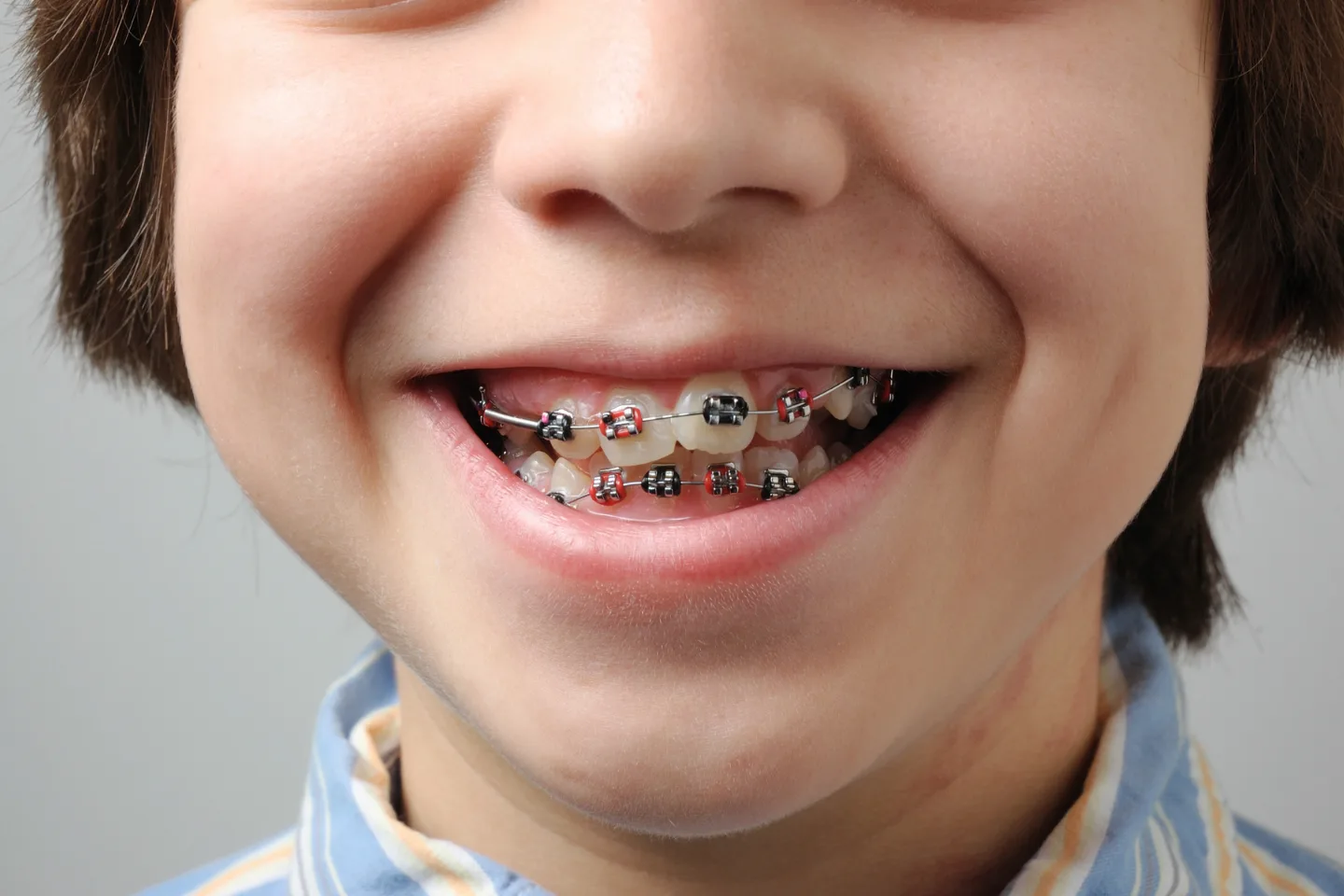
If your child just got braces, aligners, spacers, or a retainer, you already know the hard part is not always the appointment. It is the first week at home, when brushing takes longer, meals turn into negotiations, and every small change feels bigger because your child is the one living with it. If you are starting customized braces treatment in Merced, you may be dealing with sore teeth, a frustrated mood, forgotten steps, and the quiet worry that if this routine does not stick now, everything gets harder later.
That stress is real. A new orthodontic routine changes the flow of the whole day, especially in the morning when everyone is rushing and at night when your child is tired. The good news is that most kids adjust better when the routine feels simple, predictable, and doable. The goal is not perfection. The goal is helping your child feel capable enough to keep going.
Children adjust to orthodontic care when the routine feels normal
A child rarely resists orthodontic care just to be difficult. More often, they are reacting to discomfort, embarrassment, or the feeling that every meal and brushing session now comes with rules. That is why one of the best ways to support helping kids adapt to braces care is to lower the emotional pressure around it.
Keep your language steady and plain. “Your mouth is sore today, so we’ll do soft foods and take brushing slow” lands better than turning the whole thing into a lecture. Kids usually calm down when they can see the plan. Soft foods for a few days, a mirror at brushing time, wax ready in the bathroom, and a small case for rubber bands or aligners can make the routine feel less like a daily surprise.
The same pattern shows up in many families. The child is fine at the office, then upset later when food gets stuck or brushing feels awkward. That is where consistency matters. A simple home care setup, backed by guidance from the National Institute of Dental and Craniofacial Research on oral hygiene, helps children understand that this is now part of daily life, not a temporary punishment.
Small changes in meals and hygiene reduce friction fast
Food becomes one of the first struggles. Crunchy snacks, sticky candy, hard crusts, and chewy foods can cause pain or damage appliances. When a child is hungry and sore, patience drops fast. Stocking softer, easy foods gives them relief and gives you fewer battles. Yogurt, soup, pasta, eggs, smoothies, oatmeal, rice, soft fruit, and cooked vegetables usually work well during those first adjustment days.
Oral hygiene also takes practice. Brushing with braces or cleaning around appliances can feel clumsy at first, and kids often rush through it because they want the old routine back. Clear instructions help. The ADA home care guidance can reinforce what your child’s dental team recommends, especially around brushing and flossing habits.
This is also where parents sometimes expect too much too soon. A child who used to brush independently may need help again for a while. That does not mean they are failing. It means the task changed. If your child has aligners, the challenge may be remembering to remove them for meals and put them back in afterward. If they have braces, the challenge may be food choices and cleaning around brackets. Different appliance, same core need. A routine that is visible, repeatable, and easy to follow.
A child’s feelings about orthodontics affect cooperation
Some children are mostly bothered by soreness. Others are more upset about how they look or sound. They may stop smiling in photos, cover their mouth when they talk, or avoid eating at school because they do not want attention. That emotional side matters just as much as the practical one.
It helps to name what is happening without making it heavy. If your child says they hate how braces feel, believe them. If they are embarrassed to brush after lunch at school, that makes sense too. Once they feel understood, they are more likely to work with you on solutions. A travel toothbrush, a small mirror, orthodontic wax, and a rinse bottle can make school hours less stressful.
When soreness spikes after an adjustment, families often wonder whether that discomfort is normal. General guidance on mouth discomfort from MedlinePlus oral care information can be useful, though your child’s orthodontic instructions should always come first.
Daily orthodontic routines work better when expectations are clear
| Common Challenge | What Often Happens | What Helps |
|---|---|---|
| Sore teeth after adjustments | Child refuses harder foods and gets irritable | Plan soft meals for 2 to 3 days and keep pain relief instructions handy |
| Longer brushing time | Child rushes and misses spots | Use a timer, mirror, and parent check at night |
| School day inconvenience | Child skips cleaning or avoids lunch | Pack a small orthodontic kit with brush, case, and wax |
| Forgetting aligners or rubber bands | Wear time drops and progress can slow | Set phone reminders and link the step to meals |
| Feeling embarrassed | Child resists smiling or talking | Keep feedback calm and focus on comfort, not appearance |
Three steps make a new orthodontic routine easier to follow
Build the routine around existing habits. Put orthodontic care next to what already happens every day. Brushing after breakfast, cleaning after dinner, aligners back in right after meals. Children do better when the new task attaches to an old one instead of floating around as another thing to remember.
Make the tools easy to reach. Keep toothbrushes, floss tools, wax, cases, and rinses in one visible spot. If your child needs supplies for school, pack them the night before. A child is much more likely to follow through when the setup is ready and they do not have to ask for help every time.
Track effort, not perfection. Praise the parts your child can control, such as remembering to clean after lunch or wearing aligners on time. Skip criticism over every missed spot or complaint. That steady approach supports adjusting to a new braces routine and makes long term follow through more likely.
Steady support helps children succeed with orthodontic care
Most kids do not need a perfect system. They need a calm one. The first days of any orthodontic routine for children can feel messy, but that does not mean your child is falling behind. With clear expectations, softer meals, simple tools, and a little extra help, the routine starts to feel familiar. That is usually when the resistance eases and confidence starts to grow.
If your child is struggling with braces, aligners, or another phase of dental treatment, support from a children’s dentist and orthodontist can make the next steps much easier.