
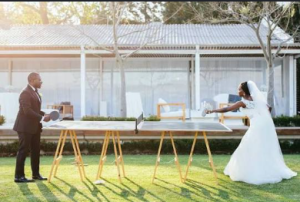




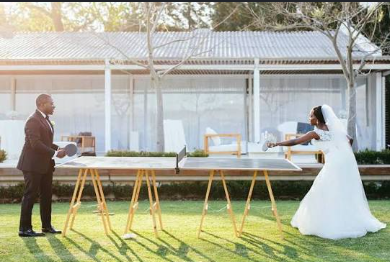
A wedding lawn game area can make the slower parts of an outdoor celebration feel relaxed and social. It gives guests something to do while they wait for dinner, photographs, or the dance floor to open, without requiring a formal activity schedule.
Start with games that fit your venue, guest list, and wedding style. If cornhole is part of the plan, themed cornhole boards such as those from https://www.cornholeworldwide.com/shop/cornhole-boards/themed-games/hunting-cornhole-games/ can help illustrate the type of board-based setup that needs a clearly defined throwing lane and enough room around it.
Why Lawn Games Work At Weddings
Lawn games work best as a low-pressure option, not the main event. Guests can play a round, watch from nearby chairs, or use the activity as an easy conversation starter with people they have not met yet. That flexibility is useful when families and friend groups are gathering for the first time.
They also align with the broader trend toward interactive guest experiences that complement food, music, and conversation. Keep the scale proportional to the celebration. A few well-placed games usually feel more inviting than an oversized activity zone that competes with the ceremony, meal, or dancing.
How To Choose The Right Games
Look for activities with short rounds, obvious rules, and no need to organize teams in advance. Guests should be able to join after seeing a small sign, then step away without affecting anyone else’s experience.
Good Options For Most Guest Lists
- Cornhole or bags: Familiar, casual, and suitable for pairs or small groups.
- Ring toss: Compact and easy to understand.
- Giant block games: Fun to watch, but best placed away from busy walkways.
- Giant Connect Four: A simple choice for guests who prefer a slower game.
- Bocce: Low-impact and well-suited to a level lawn.
- Lawn checkers or conversation cards: Useful near lounge seating and accessible for guests who do not want a throwing game.
Avoid games that require long explanations, fast movement, loud equipment, or close supervision. The goal is not to create a tournament. It is to offer an easy way to spend a few minutes between major moments.
How To Plan The Space
Choose a flat, visible area that feels connected to the reception but does not block traffic. Keep throwing, rolling, or swinging games away from food service, candles, electrical cables, guest tables, and the route to restrooms.
A Simple Layout For A Small Wedding
- Place a cornhole set along one edge of the lawn, with its throwing lane facing away from guests.
- Set a quieter game, such as giant Connect Four, beside a lounge area with chairs.
- Keep a clear walkway between the games and the bar, seating, or restroom route.
- Position water and a few spare chairs nearby, without placing drinks where they can be knocked over.
- Put instruction signs at the entrance to the activity area rather than directly in the path of play.
Guest Comfort And Accessibility
Comfort determines whether guests actually use the space. Provide seating for spectators and anyone who wants to take a break. Shade from trees, umbrellas, or a tent can make the area more pleasant during a warm daytime event, while water should be easy to find.
Think about footwear and mobility as well. Uneven ground can be difficult in dress shoes, heels, or for guests using mobility aids. Include at least one seated or low-movement option, and make it clear that participation is entirely optional.
When To Open The Games
Lawn games are most useful during natural pauses in the wedding schedule. Cocktail hour is often a particularly practical window because guests have time to mingle while the couple and wedding party are occupied with photographs.
- Before the ceremony: Suitable for a casual welcome gathering.
- During cocktail hour: A strong choice for relaxed guest interaction.
- Between dinner and dancing: Helpful for guests who want a quieter break.
- At a welcome party or farewell brunch: Ideal for a less formal wedding weekend event.
A simple schedule might open games at cocktail hour, pause them for dinner, and reopen them after dinner until sunset or until dancing becomes the focus.
Safety And Weather Planning
Walk the area before setup and check for holes, roots, loose stones, muddy patches, and standing water. Secure signs and lightweight pieces if the wind is possible. If games will remain available after sunset, make sure the route and activity area have adequate lighting.
Have a backup plan before the wedding day. Depending on the venue, that could mean moving a compact game under a tent, using a covered patio, or storing equipment if the ground becomes slippery. Confirm venue rules for outdoor activities, lighting, and equipment placement in advance.
Signs And Simple Instructions
One small sign at each station can keep the space organized without making it look overly formal. Include the game name, two or three rules, a reminder to share turns, and any important safety notes.
Friendly wording works best: “Jump in when you are ready,” “Please share the boards,” and “Keep the throwing lane clear” are more welcoming than competition-heavy language. Skip score sheets unless the couple truly wants a scheduled contest.
How To Build A Lawn Game Area On A Budget
Start with two to four activities rather than trying to fill every open patch of grass. Ask the venue what seating, shade, lawn space, or games are already available. Borrowing durable games from family or friends can also keep costs down.
Pay attention to the layout before decorations. A printed sign, a basket for game pieces, nearby seating, and a thoughtful placement plan can make a small setup feel intentional. More equipment is not always better if it leaves guests with crowded walkways or unused stations.
Common Questions
How Many Lawn Games Should A Wedding Have?
For many weddings, two to four activities are enough. Adjust the number based on the guest count, available space, the length of the cocktail hour, and whether you have other entertainment.
Do Lawn Games Work At Formal Weddings?
Yes, when they are styled and placed away from the ceremony and dining area. Choose quieter games, use clean signage, and let guests decide whether to participate.
What if the wedding is indoors?
Use tabletop games, conversation prompts, a covered patio, or compact activities that do not create noise or block movement. The same principles still apply: clear paths, short instructions, and optional play.
Final Planning Checklist
- Confirm the venue permits the planned games.
- Choose activities that fit the guest list and available space.
- Measure play areas and protect main walkways.
- Plan seating, shade, water, lighting, and weather alternatives.
- Create short instruction signs and assign someone to check the area.
- Set a closing time so games do not distract from dinner or dancing.
The most successful lawn game areas feel easy, not overproduced. A small setup can still create a memorable shared moment, much like the playful wedding entertainment that turns an activity into part of the celebration’s personality. Keep it safe, comfortable, and optional, and guests will have another natural way to enjoy the day.


