
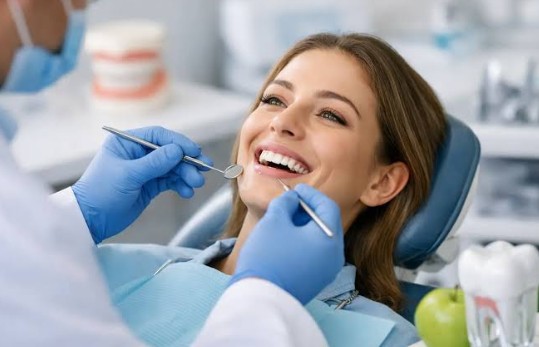
You spend time and money on a brighter smile, a repaired chip, a veneer, a crown, or bonding that finally makes your teeth look the way you want. Then a quiet worry sets in. What keeps it looking good? How long will it last? If you have ever looked in the mirror after cosmetic dental work and felt proud but also a little protective, that feeling makes sense, especially after visiting a cosmetic dentist in Kinnelon. Cosmetic restorations are not just about looks. They sit in a mouth that deals with pressure, bacteria, acids, grinding, and daily wear.
That is why preventive care matters so much. How Preventive Dentistry Strengthens The Longevity Of Cosmetic Restorations comes down to one simple truth. Cosmetic work lasts longer when the teeth, gums, bite, and habits around it stay healthy. A veneer cannot fight gum disease on its own. A crown cannot cancel out clenching. Bonding cannot resist years of skipped cleanings without consequences. Preventive dentistry protects the investment and the health underneath it.
Preventive dentistry protects the foundation under cosmetic dental work
Cosmetic restorations depend on stable support. That support is your enamel, dentin, gums, jawbone, and bite. When plaque builds up along the gumline, inflammation follows. When acid erosion softens enamel, margins around restorations become more vulnerable. When teeth grinding goes unchecked, porcelain and composite materials absorb stress they were never meant to take every night.
You may not notice the early damage. A small leak around a crown margin does not always hurt at first. Gum recession near a veneer can expose edges that were once hidden. A filling under a cosmetic onlay can weaken slowly before anything feels wrong. By the time a restoration looks dull, loose, chipped, or stained, the real issue often started months earlier.
This is where a family and cosmetic dentist becomes central to long term results. Routine exams, professional cleanings, bite checks, fluoride when needed, and habit coaching catch small shifts before they become expensive repairs. According to the CDC oral health surveillance findings, oral disease remains common across age groups, which means ongoing prevention is not optional if you want dental work to hold up.
Small daily habits decide whether cosmetic restorations age well
The materials used in cosmetic dentistry are strong, but they are not indestructible. Porcelain resists staining better than composite, yet it can still chip under heavy force. Composite bonding can look seamless, though it may stain faster if coffee, tobacco, or poor hygiene are part of daily life. The larger point is not that restorations are fragile. It is that they perform best in a clean, balanced mouth.
Think about two people with the same veneer treatment. One brushes with a nonabrasive toothpaste, flosses, wears a night guard, and keeps recall visits. The other skips flossing, clenches during sleep, and waits until something feels wrong. The first person often gets years more from the same treatment because the surrounding conditions stay healthier.
The science behind this is well established. The NIDCR report on oral health in America shows how oral health is tied to prevention, access to care, and long term maintenance. Cosmetic success is part of that story. A beautiful result is easier to keep when decay and gum disease are controlled early.
Preventive care lowers the risk of repair, replacement, and hidden damage
Most people think about replacement when a restoration breaks. The bigger financial strain often comes from what happens underneath it. A cracked veneer may be simple to replace if the tooth is healthy. If decay has formed beneath the edge, treatment can become more involved. If gum inflammation has changed the shape of the tissue around front teeth, cosmetic replacement may also require periodontal care to restore symmetry.
Preventive care for cosmetic restorations reduces that risk because it keeps the environment around the restoration stable. It also helps your dentist monitor material wear. Dental materials continue to improve, and the NIDCR overview of dental materials explains how strength, bonding, and durability affect outcomes. Even with better materials, maintenance still determines how those materials perform in real life.
| Preventive factor | If maintained | If neglected |
|---|---|---|
| Professional cleanings | Plaque and tartar are removed before they irritate gums or stain margins | Inflamed gums, recession, staining, and harder to clean restoration edges |
| Regular exams | Early cracks, bite issues, and decay are caught sooner | Hidden damage grows until repair or replacement is needed |
| Night guard for grinding | Less stress on veneers, crowns, and bonding | Higher risk of chips, fractures, and wear |
| Daily home care | Healthier gums and cleaner restoration margins | Decay, gum disease, odor, staining, and shorter restoration life |
Cosmetic restoration maintenance works best when it is specific to your mouth
No two smiles wear the same way. Someone with dry mouth has different risks than someone with strong saliva flow. A patient with crowded lower teeth may need more help cleaning around bonded areas. A person with a history of gum disease needs closer monitoring after veneers or crowns because tissue changes can affect how the final work looks.
This is why maintaining cosmetic dental restorations should never be reduced to brushing alone. Your care plan may include a custom night guard, shorter recall intervals, fluoride treatment, diet changes, or replacing abrasive products that wear surfaces down. Preventive dentistry is not glamorous, but it is what keeps cosmetic dentistry looking natural instead of prematurely worn.
Three steps you can take right away to protect your smile investment
Schedule routine maintenance before anything feels wrong. Waiting for pain usually means the problem is no longer small. Keep regular cleanings and exams so your dentist can monitor the fit, margins, color stability, and gum health around your restorations.
Use products that support, not scratch, your dental work. Choose a soft toothbrush and a nonabrasive toothpaste. If you are unsure what is safe for veneers, bonding, or crowns, ask before switching products. Whitening pastes and harsh powders can wear surfaces and dull the finish over time.
Address grinding, clenching, and diet triggers. If you wake with jaw soreness, flattened edges, or tension headaches, ask about a night guard. If you sip acidic drinks all day or snack often, cut down the constant acid exposure that weakens tooth structure around restorations.
Cosmetic dentistry can change how you feel when you smile, speak, and show up in photos. Keeping that result is rarely about one big fix. It is about steady care that protects the teeth and gums holding everything together. If you want your dental work to last, partner with a family and cosmetic dentist who treats prevention as part of the result, not an afterthou