





You finally invested in the smile you wanted, and now a new worry can creep in. What if whitening fades too soon, veneers lose their shine, or bonding chips before you feel you got your money’s worth? That concern is common, especially after putting time, trust, and money into cosmetic dental work. The good news is that daily habits matter more than most people think. With steady care, smart food choices, and regular checkups with Lakewood Ranch Family & Cosmetic Dentistry, you can help your results stay bright, smooth, and natural looking for years.
It often starts small. You notice a coffee stain near the edge of a veneer, a rough spot on bonding, or a little sensitivity when you sip something cold. Because of that tension, you might wonder if you did something wrong. Usually, it is not one big mistake. It is a series of normal habits that slowly wear things down. Brushing too hard, using the wrong toothpaste, grinding your teeth at night, or skipping cleanings can all shorten the life of dental work that once looked flawless.
Why can beautiful dental work lose its shine sooner than you expected?
Cosmetic treatments are durable, but they are not indestructible. Whitening can fade with dark drinks and tobacco. Veneers and bonding can chip if you bite ice, tear open packages with your teeth, or clench when stressed. Crowns can still collect plaque at the gumline if home care slips. Even a dry mouth can affect comfort and increase the risk of decay around restorations. If that sounds familiar, it helps to know that dry mouth is a real oral health issue, and the National Institute of Dental and Craniofacial Research explains how reduced saliva can raise your risk for cavities and other problems.
So, where does that leave you? In a better position than you may think. Most problems that dull a smile are preventable, especially when you know what to watch for. The goal is not perfection. The goal is protecting your investment with habits that fit real life.
What does daily care for cosmetic dentistry really look like?
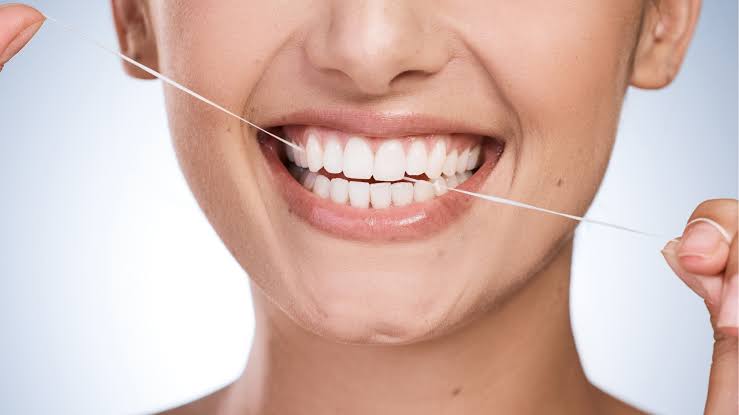
The basics still matter, maybe even more after treatment. Gentle brushing twice a day and daily flossing help keep plaque from building up around veneers, crowns, and bonding. If you are unsure about the right technique, MedlinePlus offers a helpful overview of brushing and flossing. A soft toothbrush is usually a safer choice than a firm one, since aggressive scrubbing can wear away polish and irritate gums.
Toothpaste also matters. Whitening toothpastes can sound helpful, but some are too abrasive for certain restorations. That means you could clean your teeth while slowly scratching the very surfaces you want to protect. If you have had smile enhancement treatments and are not sure what products to use, ask your dental office for a recommendation that matches your specific dental work.
Food and drink choices play a part too. Coffee, tea, red wine, dark berries, tomato sauce, and soda can all stain natural enamel, and some can affect the edges of restorations over time. That does not mean you have to give them up forever. It means rinsing with water after, using a straw when it makes sense, and not letting staining foods sit on your teeth for hours.
Which habits help, and which ones quietly work against you?
Some habits protect your smile without much effort. Others cause damage before you notice it. That is why a simple comparison can help.
| Habit | Helps Cosmetic Dental Work | Can Shorten Its Lifespan |
|---|---|---|
| Brushing | Soft brush, gentle pressure, twice daily | Hard bristles, scrubbing, abrasive toothpaste |
| Eating and drinking | Rinse after coffee, tea, wine, or acidic foods | Frequent sipping of dark or sugary drinks all day |
| Protecting teeth | Wear a night guard if you grind | Clenching, chewing ice, biting nails, opening packages |
| Moisture and saliva | Stay hydrated and address dry mouth early | Ignoring constant dryness or mouth breathing |
| Dental visits | Regular exams and cleanings | Waiting until something chips, stains, or hurts |
Regular care is not only for children or people with cavities. The National Institute on Aging also stresses the value of routine oral care and dental visits, especially as needs change over time. That advice applies just as much to adults who have invested in smile makeover maintenance.
What can you do right now to keep your dental work looking its best?
- Upgrade your daily routine. Use a soft bristle toothbrush, a non abrasive toothpaste, and floss every day. If floss catches around a veneer or crown, do not ignore it. That can be an early sign that something needs attention. Small changes at home can protect both natural teeth and restorations.
- Cut down on stain and stress. If you drink coffee or tea every day, rinse with water afterward. If you grind your teeth, ask about a night guard. If you snack often on hard foods, think about whether they are worth the risk. This is one of the smartest ways to protect cosmetic dentistry care over the long term.
- Stay ahead of small problems. Do not wait for a chip, stain, or sore gumline to get worse. A family and cosmetic dentist can often polish minor surface issues, adjust your bite, or spot wear before it turns into a more expensive repair. Early attention usually means simpler treatment.
How do you protect your results without feeling overwhelmed?
You do not need a perfect routine to keep your smile looking good. You need a consistent one. Gentle cleaning, fewer staining habits, protection from grinding, and regular professional care can go a long way. If you have invested in aesthetic dental work, it makes sense to protect it with the same care you would give anything else that matters to you.
A bright, natural looking smile should feel like something you get to enjoy, not something you have to worry about every day. If you have questions about changes in color, texture, sensitivity, or wear, schedule a visit with a family and cosmetic dentist and get clear guidance before a small issue becomes a bigger one.


