
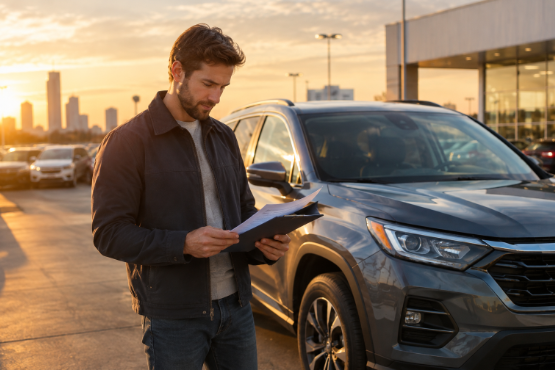
Buying a pre-owned vehicle in Tulsa can be a practical way to find transportation for daily commutes, family errands, road trips, and Oklahoma highway miles. Whether you are comparing private-party listings or visiting a trusted used car dealership in Tulsa for quality vehicles, preparation helps you evaluate the vehicle and the deal with greater confidence.
A used car should fit more than the amount available today. Registration, insurance, fuel, routine service, tires, repairs, taxes, and financing can all affect what ownership costs over time. A clear plan makes it easier to focus on dependable choices instead of being swayed by a low advertised price or a rushed sales conversation.
Build a Realistic Used-Car Budget
Separate the Vehicle Price From the Full Cost
Start with a comfortable down payment and a maximum out-the-door price. Then reserve money for insurance, Oklahoma registration costs, sales tax, an inspection, and maintenance that may be due soon after purchase. Even a well-kept vehicle may need an oil change, battery, tires, brakes, wiper blades, or fluids after it changes hands.
Ask for a written breakdown that includes the selling price, taxes, title and registration charges, dealer fees, and optional products. The federal consumer guidance on buying a car recommends considering costs beyond the price and asking for the total price, including all fees. That number is more useful than a payment quote alone.
Choose a Vehicle That Fits Tulsa Driving
Make a short list based on how you will actually use the vehicle. A downtown commuter may prioritize fuel economy and easy parking, while a family may need rear-seat space, cargo capacity, and strong climate control. Drivers who frequently travel between Tulsa, Broken Arrow, Owasso, and surrounding communities may value highway comfort and consistent maintenance records.
Compare several similar vehicles before deciding. Age and mileage both matter, but neither tells the entire story. A vehicle with higher mileage and complete service records can be a better candidate than a lower-mileage vehicle with neglected maintenance or unclear history.
Review the Vehicle History Before You Commit
Match the VIN and Title
Confirm that the vehicle identification number on the dashboard, door-area label, title, registration, and history report all match. Review the title carefully for brands such as salvage, rebuilt, or flood damage. Also look for mileage entries that appear inconsistent and ask direct questions about ownership changes or missing records.
Check Recalls and Maintenance Records
Ask for service invoices or maintenance records that show routine care and major repairs. Check for open safety recalls by using the VIN through NHTSA’s recall lookup tool. A history report can be useful, but it cannot replace service documentation, a visual inspection, or a mechanic’s assessment.
Inspect the Car and Take a Complete Test Drive
View the vehicle in daylight when possible. Walk around it slowly and look for mismatched paint, uneven body gaps, rust, cracked lights, damaged glass, worn tires, or fluid beneath the vehicle. Inside, test the windows, locks, seat adjustments, air conditioning, heat, infotainment features, backup camera, and warning lights.
During the drive, start the vehicle cold if the seller allows it. Listen for unusual knocking, grinding, rattling, or exhaust noise. Test braking, steering response, acceleration, gear changes, and visibility. Drive on neighborhood streets and faster roads when practical. Notice whether the vehicle pulls, shakes, overheats, or displays a warning light. When the drive ends, check again for new leaks or odors.
Get an Independent Pre-Purchase Inspection
A professional inspection provides information that paperwork and a short drive may miss. Choose a mechanic who is not affiliated with the seller and ask for a written summary that clearly separates safety-related repairs from routine future maintenance. If the inspection identifies expensive work, use the estimate to request a lower price, ask whether repairs can be completed, or decide to keep shopping.
Compare Financing by Total Cost
Get preapproval or loan quotes from a bank, credit union, or other lender before finalizing a purchase. Compare the APR, loan term, amount financed, finance charge, total payments, late-payment rules, and any early payoff conditions. A longer term can lower the monthly payment while increasing the total amount paid over the life of the loan.
Ask whether warranties, service contracts, gap coverage, or other protection products are optional. If you want one, evaluate its price and terms separately rather than allowing it to be folded into the deal without review.
Know When to Walk Away
- The seller will not provide the VIN, title details, or basic paperwork.
- The title status does not match the vehicle or the seller’s explanation.
- You are discouraged from taking a reasonable test drive or obtaining an inspection.
- The price, fees, or financing terms change unexpectedly.
- The seller pressures you to sign before you can read the documents.
Review the Paperwork Before Signing
Confirm the VIN, mileage, sale price, buyer information, and any promised repairs or included accessories. Review the Buyer’s Guide to understand whether the vehicle is sold as-is or with a warranty. Make sure the final finance contract matches the agreed APR, term, amount financed, and payment schedule. Keep copies of the sales agreement, inspection report, history report, warranty documents, and payment records.
Common Questions About Used Cars
Is a vehicle history report enough?
No. It can provide useful ownership, mileage, accident, and title information, but it may not show every repair, maintenance item, or mechanical concern. An inspection adds important context.
Can buyers negotiate after an inspection?
Yes. A written estimate for identified repairs gives you a concrete basis for discussing price, requesting repairs, or choosing another vehicle.
Final Thoughts
A confident used-car purchase in Tulsa comes from patience and verification. Build a complete budget, inspect the vehicle, compare financing, and make sure every important promise is in writing. If the deal remains clear after those steps, you can move forward with far fewer surprises.