
Key Takeaways
- A practical dental plan covers home care, checkups, treatment decisions, comfort, and costs.
- Your personal cavity and gum-health risks should guide the timing and type of professional care.
- Early attention to symptoms can make it easier to protect teeth and avoid rushed decisions.
- Comfort concerns, including anxiety and sensitivity, belong in every treatment conversation.
Table of Contents
- Why A Dental Care Plan Helps
- Start With Your Current Oral Health
- Build A Daily Routine That Fits Real Life
- Identify Personal Risk Factors
- Schedule Professional Care Based On Need
- Include Comfort And Anxiety Support
- Plan For Repairs Without Rushing
- Prepare For Missing Teeth And Tooth Replacement
- Create A Realistic Dental Budget
- Know When A Dental Problem Needs Prompt Care
- Review The Plan At Least Once A Year
- Final Checklist For A Smarter Dental Plan
A smart dental care plan is not a complicated document. It is a realistic system for protecting your teeth, gums, comfort, and budget over time. Whether you are keeping up with routine cleanings, comparing repair options, or searching for dental implants near me, planning ahead can make dental decisions feel more manageable.
The best plan is personal. Someone with a history of cavities, dry mouth, gum disease, teeth grinding, or several existing restorations may need a different approach than someone with few dental concerns. Start with what is happening now, then create routines and appointment habits that are sustainable.
Why A Dental Care Plan Helps
Without a plan, it is easy to postpone appointments until pain, a broken tooth, or an insurance deadline forces a fast decision. A simple plan separates routine prevention from treatment that can be scheduled and problems that need prompt attention. It also gives you time to ask questions, compare options, and prepare financially.
Start With Your Current Oral Health
A comprehensive exam creates a useful starting point. A dental professional may assess teeth, gums, bite, existing fillings or crowns, jaw comfort, oral tissues, and areas that cannot be evaluated well at home. Ask which concerns require treatment now, which can be monitored, and what changes would signal that a problem is getting worse.
- Which areas need attention first?
- What can safely be watched over time?
- What daily habit would have the greatest benefit?
- When should the next exam or cleaning occur?
Build A Daily Routine That Fits Real Life
Consistency matters more than buying the most expensive products. The American Dental Association recommends brushing twice daily with fluoride toothpaste and cleaning between teeth daily. Choose tools that are comfortable enough to use regularly, whether that means floss, an interdental brush, a water flosser, or another dentist-recommended option.
- Keep supplies visible and easy to reach.
- Use a timer if brushing is rushed.
- Replace worn toothbrushes or frayed brush heads.
- Limit frequent sugary snacks and drinks between meals.
- Ask for guidance if brushing causes pain, bleeding, or persistent sensitivity.
Identify Personal Risk Factors
People with similar routines can still have very different dental needs. Past cavities or gum disease, tobacco use, frequent acid exposure, orthodontic appliances, teeth grinding, limited dexterity, and certain medical conditions can change risk. Medication-related dry mouth also deserves attention because saliva helps protect oral tissues and teeth. The National Institute of Dental and Craniofacial Research explains that persistent dry mouth can raise the risk of tooth decay, so mention new dryness or medication changes at appointments.
Schedule Professional Care Based On Need
Regular exams and cleanings can help identify decay, gum inflammation, worn restorations, bite concerns, and oral changes before they become harder to manage. There is no single appointment schedule that fits everyone. Follow the interval recommended by your dental professional based on your health history, current findings, and treatment needs.
Include Comfort And Anxiety Support
Comfort is part of quality care. Tell the dental team about anxiety, a strong gag reflex, jaw soreness, sensitive teeth, or a difficult past experience before treatment begins. Small adjustments can make a meaningful difference.
- Share concerns when scheduling.
- Agree on a hand signal for breaks.
- Ask for an explanation before each step.
- Discuss numbing and other appropriate comfort options.
- Schedule longer visits when you are not rushed.
Plan For Repairs Without Rushing
A cracked, decayed, or weakened tooth may have more than one treatment path. The best option can depend on the remaining tooth structure, gum health, bite forces, appearance goals, and long-term outlook. Ask what problem is being treated, what alternatives exist, what happens if you wait, and how the treatment will be maintained. A second opinion can be reasonable for complex or costly care.
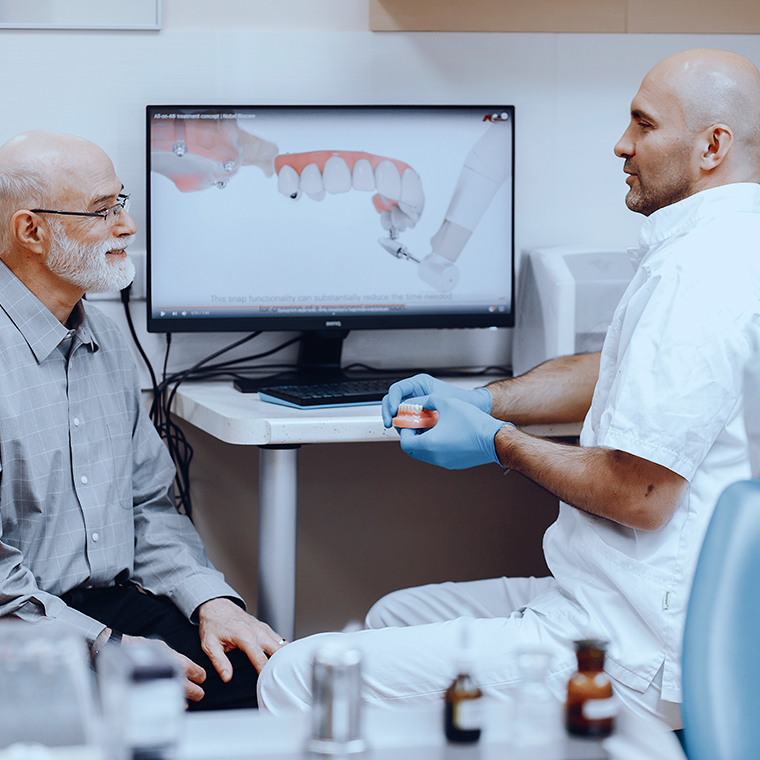
Prepare For Missing Teeth And Tooth Replacement
Removable dentures, fixed bridges, and implant-supported restorations can each be appropriate in different circumstances. The decision should account for bone and gum support, medical history, ability to clean the restoration, budget, comfort, and chewing goals. Tooth replacement can affect speech, eating, nearby teeth, and bite balance, so ask about the expected maintenance and future repair needs of every option.
Create A Realistic Dental Budget
Organize costs into three categories: routine care, planned treatment, and unexpected care. Review insurance deductibles, annual maximums, waiting periods, exclusions, and payment timing before beginning major treatment. If you use a health savings account or flexible spending account, confirm what expenses qualify under your plan.
Know When A Dental Problem Needs Prompt Care
Contact a dental professional promptly for severe or persistent tooth pain, facial swelling, fever with dental pain, uncontrolled bleeding, a knocked-out permanent tooth, or a serious injury. Seek emergency medical care if swelling affects breathing or swallowing. Do not wait for a routine appointment when symptoms are worsening quickly.
Review The Plan At Least Once A Year
Update your plan after changes in health, medications, pregnancy, stress, diet, insurance, or oral symptoms. Review whether gums bleed more often, teeth feel more sensitive, restorations are uncomfortable, or your home routine has become difficult to maintain.
Final Checklist For A Smarter Dental Plan
- Book a current dental exam.
- Write down symptoms, health changes, and personal risk factors.
- Maintain a simple brushing and between-teeth cleaning routine.
- Discuss comfort needs before treatment.
- Ask questions before committing to major repairs.
- Set aside funds for routine and unexpected care.
- Revisit the plan whenever your needs change.