
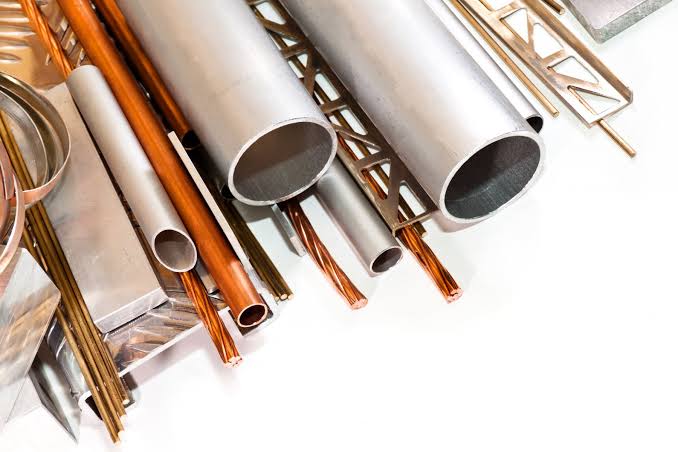
Choosing steel by a familiar grade name or the lowest quoted price can create problems later in production or service. A better approach is to begin with what the finished component must actually do, then compare available materials against those requirements. Suppliers such as https://www.specialtysteel.com/ offer a range of carbon, alloy, stainless, and wear-resistant products, but selecting among them still requires a clear understanding of the application.
A shaft, wear plate, threaded connection, or machine bracket may all be made from steel, yet each faces different stresses and failure risks. A shaft may need fatigue resistance and good machinability. A wear plate may need high surface hardness. A threaded component may need strength, toughness, and dependable dimensional control. The right choice comes from balancing the complete set of demands rather than optimizing for one property alone.
Step 1: Define Loads and Service Conditions
Before comparing grades, document how the part will be loaded and where it will operate. Consider static loads, shock loads, vibration, repeated cycling, bending, torsion, tension, compression, and contact pressure. A steel that performs well under a steady load may not be suitable when repeated stress, sudden impact, or misalignment is present.
Also identify the service environment. Moisture, salt, cleaning chemicals, acids, abrasive dust, poor lubrication, and outdoor exposure can each affect material performance. Temperature matters as well. High heat can affect strength and oxidation behavior, while low temperatures can change the way some materials respond to impact. Defining the expected service life and acceptable wear limit gives the selection process a practical target.
Step 2: Compare Strength, Hardness, and Toughness
Strength describes a material’s ability to resist permanent deformation or fracture under load. In practical terms, yield strength is commonly used to indicate when a material begins to deform permanently, while tensile strength describes the stress reached before fracture in a tensile test. These values are useful, but they do not tell the entire story.
- Hardness helps resist indentation, scratching, and abrasive wear.
- Toughness helps a material absorb energy and resist cracking under impact.
- Strength helps a part carry load without yielding or breaking.
- Ductility supports forming and allows some deformation before fracture.
Increasing hardness can improve wear resistance, but it may also make machining more difficult or reduce the margin for impact loading. For that reason, compare the full required property range, including the material condition, instead of choosing a grade based on a single headline value.
Step 3: Match Steel to the Type of Wear
Wear is not one condition. Abrasive wear occurs when hard particles or rough surfaces remove material. Adhesive wear can occur when sliding surfaces transfer or damage material. Impact wear combines contact with repeated shock. A hard wear plate may perform well against abrasion, while a tougher steel may be more appropriate where bending and impact are frequent.
When a part needs a hard exterior and a more resilient interior, surface hardening or a suitable heat-treatment strategy may be worth considering. Material changes should not be the first response to every wear problem, however. Alignment, lubrication, contact pressure, contamination, and part geometry can all contribute to premature wear.
Step 4: Account for Corrosion and the Working Environment
Corrosion resistance must match the actual exposure, not simply the assumption that a material will be used outdoors. General rusting, localized pitting, crevice corrosion, and galvanic effects can occur under different conditions. Understanding the basic forms of corrosion helps teams assess whether moisture, chlorides, chemicals, temperature, or contact with dissimilar metals creates the main risk.
Stainless steel can be a strong option for many corrosive environments, but it is not a universal solution. Grade selection, surface finish, welding practices, drainage, cleaning chemicals, and maintenance all matter. In some applications, coated carbon steel, alloy steel, or a corrosion-resistant stainless grade may each be reasonable choices depending on the environment and required service life.
Step 5: Check Machinability and Fabrication Requirements
The material must work in the shop as well as in the field. Confirm whether the steel will be drilled, turned, milled, sawn, ground, bent, welded, or repaired. Harder materials may increase cutting-tool wear and processing time. Some steels require more careful welding procedures, and some parts can distort or change dimensions during heat treatment.
Include fabrication cost in the decision. An easier-to-machine material may lower production time, while a more durable alternative may reduce replacement costs after installation. The best choice is often the one that delivers the lowest total cost over the part’s useful life, not merely the lowest purchase price per pound.
Step 6: Specify Heat Treatment and Material Condition
Steel grade alone is not a complete specification. Annealed, normalized, cold-finished, quenched-and-tempered, and precipitation-hardened conditions can produce different mechanical properties and machining behavior from the same base chemistry. Buyers should specify the required condition, hardness range, and any testing requirements when those details affect performance.
Heat treatment should also be considered early because it can affect distortion, residual stress, surface condition, and final dimensions. Safety-critical or tightly toleranced parts may need an inspection plan after heat treatment to verify hardness, dimensions, and other specified properties.
Step 7: Review Standards, Drawings, and Test Reports
Clear documentation reduces the chance of receiving material that is technically similar but unsuitable for the intended job. A practical order and receiving review should include:
- The exact grade and applicable material standard.
- Required size, shape, tolerance, and surface condition.
- Heat-treatment or delivery condition.
- Heat number or other material identification where traceability is needed.
- Required chemistry, mechanical-property, and inspection documentation.
Keeping material test reports with project records supports repeat ordering, quality reviews, repairs, regulated work, and failure investigations. It also gives engineering, purchasing, and production teams a common reference when questions arise.
Steel Selection Mistakes to Avoid
- Choosing the cheapest grade without considering service life and processing cost.
- Selecting the hardest option for every wear problem.
- Ignoring fatigue, impact, vibration, or low-temperature exposure.
- Assuming any stainless steel will solve every corrosion concern.
- Ordering a grade without identifying its required condition.
- Failing to verify machining, welding, forming, or repair needs.
- Relying on a general property chart instead of the governing specification.
A Simple Steel Selection Checklist
- What loads will the part carry, and are they static, cyclic, or impact loads?
- What wear mechanism is most likely to control service life?
- Will the part contact water, salt, chemicals, abrasive debris, or high heat?
- Does the design require welding, forming, extensive machining, or tight tolerances?
- What strength, hardness, and toughness balance is needed?
- What standard, condition, testing, and traceability requirements apply?
Common Questions
Is stronger steel always better?
No. Additional strength can increase cost, reduce machinability, or provide less toughness than the application needs. The better choice is the steel that satisfies the complete service requirement.
When should hardness be the main factor?
Hardness deserves priority when abrasion, surface damage, or denting controls part life. It should still be balanced against impact loading and fracture risk.
Why does material condition matter?
Processing such as cold finishing and heat treatment can change strength, hardness, toughness, dimensional stability, and machining behavior. Specifying only the base grade can leave important requirements undefined.
Conclusion
Good steel selection is a design decision as much as a purchasing decision. By evaluating load, wear, corrosion, temperature, fabrication, material condition, documentation, and life-cycle cost together, teams can choose steel that performs reliably from the first cut through the end of service.