




You hear the words root canal and your stomach drops. That reaction is common, especially if you have been dealing with tooth pain, trouble chewing, or that dull ache that keeps showing up when you drink something cold. A lot of people put off care because they have heard horror stories, and those stories tend to stick harder than facts. If you need an endodontist in Bolingbrook, IL, getting accurate information can help ease those fears.
The problem is simple. Fear of root canal treatment often comes from myths that are outdated, exaggerated, or just plain false. A root canal is meant to stop pain, save your natural tooth, and keep a small problem from turning into a bigger one. When you know what is real and what is not, the decision gets clearer and a lot less frightening.
Root canal myths keep people in pain longer than they should
One of the biggest myths is that root canals are unbearably painful. That idea has survived from a time when dental care was very different. Modern numbing techniques and imaging have changed the experience. In most cases, people say a root canal feels a lot like getting a filling. The pain people associate with the procedure usually comes from the infection already inside the tooth, not from the treatment itself.
Another myth says pulling the tooth is always easier and better. It can feel that way in the moment, especially if you want the pain gone fast. But saving your natural tooth often protects your bite, chewing strength, and overall oral health. Once a tooth is removed, you may need an implant, bridge, or other replacement, and that can mean more time and more cost.
A third myth is that root canals cause illness in other parts of the body. This claim has been debunked. There is no good evidence that a properly done root canal causes disease elsewhere. If you want a plain language medical overview, MedlinePlus explains root canal treatment in a clear and reliable way.
Some people also believe that if the tooth stops hurting, the problem is gone. That can be risky. Nerves can die, which may reduce pain for a while, but the infection can still spread into the bone and surrounding tissue. You might feel better right up until swelling starts, or the tooth cracks, or you wake up with severe pain again.
The fifth myth is that root canals always fail. They do not. Many treated teeth last for years, often much longer, especially when the tooth is restored properly afterward and you keep up with routine care. An endodontist focuses on problems inside the tooth, including infected pulp and damaged roots, so this is not guesswork or a one size fits all procedure.
Common root canal misconceptions can lead to bigger dental problems
When fear delays treatment, the problem tends to get more expensive and more disruptive. An infected tooth does not heal on its own. It can lead to swelling, an abscess, bone loss, and damage to nearby teeth. You may start by avoiding one side of your mouth, then find yourself changing what you eat, sleeping badly, or taking pain medicine just to get through the day.
That pattern is familiar. You tell yourself you will wait until next week, then the pain fades a little and it feels safe to ignore. Then it flares up at the worst time. Work gets harder. Eating gets harder. Even talking can feel different when one tooth is constantly demanding your attention.
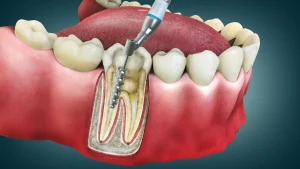
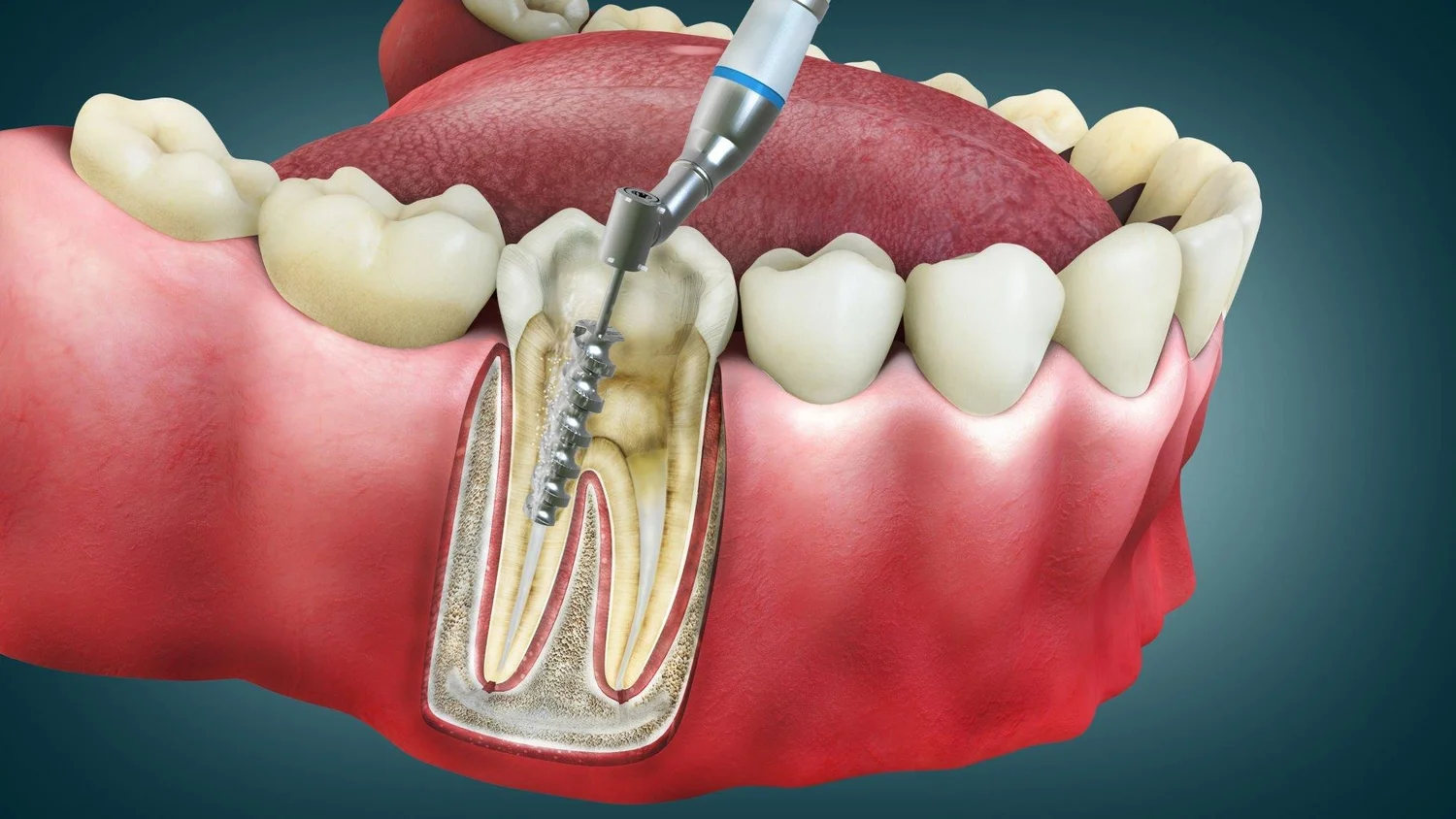
Reliable patient education from the University of Colorado School of Dental Medicine on endodontic disease and root canals explains why infected pulp needs treatment rather than wishful thinking. Once bacteria reach the inner part of the tooth, the goal is to remove the infected tissue, clean the canals, and seal the space so the tooth can stay in place.
Root canal facts are easier to trust when you compare them side by side
| Myth | What Actually Happens | What It Can Mean for You |
| Root canals are extremely painful | Modern treatment is usually similar to getting a filling | Relief from infection and less pain after treatment |
| Pulling the tooth is always better | Saving the natural tooth is often the better long term option | Better chewing, alignment, and fewer replacement decisions |
| No pain means no problem | Infection can continue even after pain fades | Delays can lead to swelling, abscess, or tooth loss |
| Root canals cause other illnesses | This claim is not supported by current evidence | You can choose treatment based on facts, not fear |
| Treated teeth do not last | Many root canal treated teeth last for years with proper restoration | You may keep your natural tooth far longer than expected |
Clear steps can make root canal treatment feel less overwhelming
- Pay attention to the pattern of your symptoms. Lingering sensitivity, pain when biting, swelling, gum tenderness, and a pimple like bump near the tooth are all signs that deserve attention. Write down when the pain shows up and what triggers it. That helps your dental team find the cause faster.
- Ask direct questions about the procedure. If you are nervous, say so. Ask what the appointment will feel like, how the tooth will be numbed, how long it should take, and whether you will need a crown afterward. Fear gets stronger when the details are fuzzy. Clear answers make the process easier to face.
- Do not wait for unbearable pain. Early treatment is usually simpler than delayed treatment. If your dentist recommends seeing an endodontist for a root service, that referral is meant to protect the tooth before the damage spreads. Acting early can save time, money, and a lot of stress.
Accurate information makes root canal decisions easier
You do not need to love the idea of a dental procedure to make a smart choice about it. You just need facts that match reality. The truth behind 5 Myths About Root Canals That Need To Go Away is reassuring. Root canals are designed to treat infection, ease pain, and help you keep your natural tooth. If you have been putting off care because of old stories or bad assumptions, now is a good time to get answers and move toward relief.


