





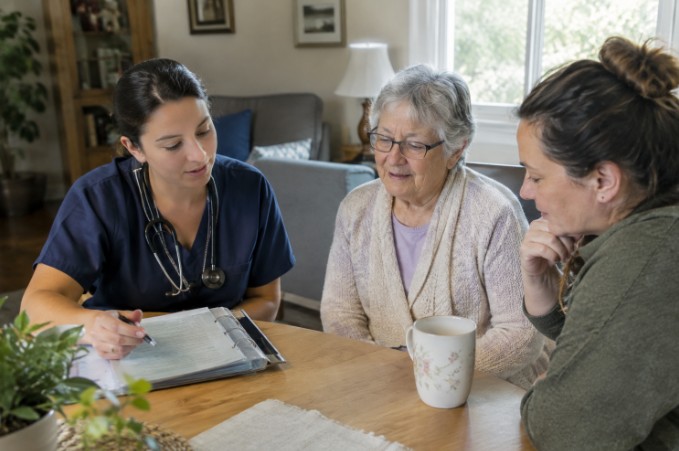
When a serious illness makes travel difficult, symptoms become harder to manage, or family members feel stretched thin, care at home may become an important topic of conversation. Comfort-focused care looks beyond a diagnosis to consider the person’s pain, energy, routines, relationships, worries, and priorities. For families in Oakland and nearby East Bay communities, holistic hospice care from Holistic Palliative Care is one local option to review. Its Oakland-based practice focuses on hospice and palliative support at home and describes an interdisciplinary approach that includes clinicians, social workers, home health aides, spiritual care, and grief support. That whole-person focus can be useful when a family needs help coordinating physical comfort with emotional, social, and spiritual needs.
What Comfort-Focused Care Can Include
Comfort-focused care is not the same as doing nothing. It can involve active symptom management, caregiver education, medication review, care coordination, and conversations about what matters most to the patient. Depending on the person’s condition and care plan, support may address pain, shortness of breath, nausea, fatigue, anxiety, poor sleep, reduced appetite, or confusion. It can also address concerns that are not strictly medical. A person living with heart failure, for example, may need guidance about medications, help recognizing worsening breathing problems, assistance with personal care, and a plan for whom to call when symptoms change. Palliative care basics explain that this type of support may be provided alongside treatment for a serious illness. It may be available in a hospital, clinic, long-term care setting, or private home, depending on the patient’s circumstances and local services.
Palliative Care and Hospice Care: Important Differences
Families often ask whether palliative care means hospice. The terms are related, but they describe different points in the care journey.
- Palliative care focuses on symptom relief and quality of life at any stage of a serious illness. Many patients continue treatments intended to control or treat their condition while receiving palliative support.
- Hospice care is generally considered when the care plan is centered primarily on comfort rather than treatment intended to cure the illness. It also supports family members and caregivers.
Neither choice should be viewed as a failure or a loss of hope. A patient may hope for less pain, more time at home, greater independence, fewer exhausting trips, or more meaningful time with loved ones. The right approach depends on the patient’s goals, medical needs, and available support.
Why the Home Setting Matters
A home visit can give the care team a clearer picture of everyday challenges. A clinician or nurse may notice whether the patient can safely get to the bathroom, whether rugs or poor lighting increase fall risk, how far the person can walk before becoming tired, or whether medication bottles match the current medication list. These details matter. A family may believe it is following discharge instructions correctly, yet discover that an older prescription is still being taken or that no one is sure which symptoms require a call. Reviewing routines in the actual living environment can lead to more practical teaching and a clearer plan.
The Care Team and the Family’s Role
Comfort-focused services often involve several professionals, although the specific team varies by provider, insurance coverage, location, and level of care. Physicians may review changing medical needs and goals. Nurses can monitor symptoms and teach caregivers. Social workers may help families navigate resources, planning, and emotional concerns. Spiritual care counselors can support the patient’s beliefs and values, while home health aides may assist with personal care when that service is included. Family caregivers are also central to the plan. They may need instruction on medications, mobility, meals, comfort measures, and warning signs. They also need permission to ask for help, take breaks, and speak honestly about what they can safely manage.
Questions to Ask Before Choosing a Service
- What kinds of patients and conditions does the service support?
- Does it provide palliative care, hospice, home health, private-duty care, or a combination?
- Who will visit the home, and how often might visits occur?
- Who should the family call after normal business hours?
- How will the team communicate with the primary doctor and specialists?
- What should the family do if symptoms change quickly?
- Which services may be covered by Medicare, Medicaid, private insurance, or self-pay arrangements?
- Are caregivers included in education and care-planning discussions?
Creating a Simple Comfort Plan at Home
- List current concerns. Include pain, changes in breathing, sleep problems, falls, changes in appetite, confusion, and caregiver stress.
- Gather key information. Keep medication bottles, discharge paperwork, insurance details, clinician contacts, and emergency numbers together.
- Discuss priorities. Ask the patient what matters most, such as staying home, attending an event, or avoiding repeated hospital trips.
- Choose one family contact. A designated point person can reduce conflicting messages and missed updates.
- Write down warning signs. Clarify when to contact the care team and when symptoms may require emergency services.
- Review the plan regularly. A fall, infection, hospitalization, or a change in treatment can quickly alter care needs.
Advance Care Planning Can Ease Future Decisions
Advance care planning allows patients to share their preferences before an urgent situation arises. This can include naming a trusted health care decision-maker, discussing preferred care settings, documenting treatment choices, and making sure important documents are accessible to family members and clinicians. Planning does not require anyone to predict an exact outcome. It simply makes the patient’s wishes easier to understand and follow if they become unable to speak for themselves.
What Research Suggests About Home-Based Support
A review of home-based primary care interventions found moderate-strength evidence that these programs can reduce hospitalizations and hospital days for adults with serious or disabling chronic conditions. Results varied across programs, however, so home-based support should not be treated as a guarantee that every emergency visit or hospitalization can be avoided.
When to Ask for Help
It is often easier to explore support before a crisis. Consider starting the conversation when symptoms are becoming harder to control, travel to appointments is increasingly difficult, hospital visits are becoming more frequent, or caregivers are struggling to keep up with daily responsibilities. Begin by writing down the main concerns, contacting the current medical team, and asking which type of support fits the situation now. The most helpful plan is one that reflects the patient’s goals while giving the family clear, realistic guidance for the days ahead.
Conclusion
Comfort-focused care can help people living with serious illnesses manage symptoms, maintain dignity, and receive support that reflects their personal goals. For families in Oakland and the East Bay, Holistic Palliative Care is one option to explore when considering hospice or palliative services at home. Before choosing a provider, families should understand the differences between these types of care, ask about available services and after-hours support, and clarify how the care team will coordinate with existing medical professionals. Home visits, advance care planning, and caregiver education can also help address practical concerns before they become urgent. Most importantly, care decisions should center on the patient’s wishes, comfort, and quality of life, while providing family members with clear guidance and support as needs change.


